Last updated: August 8, 2026
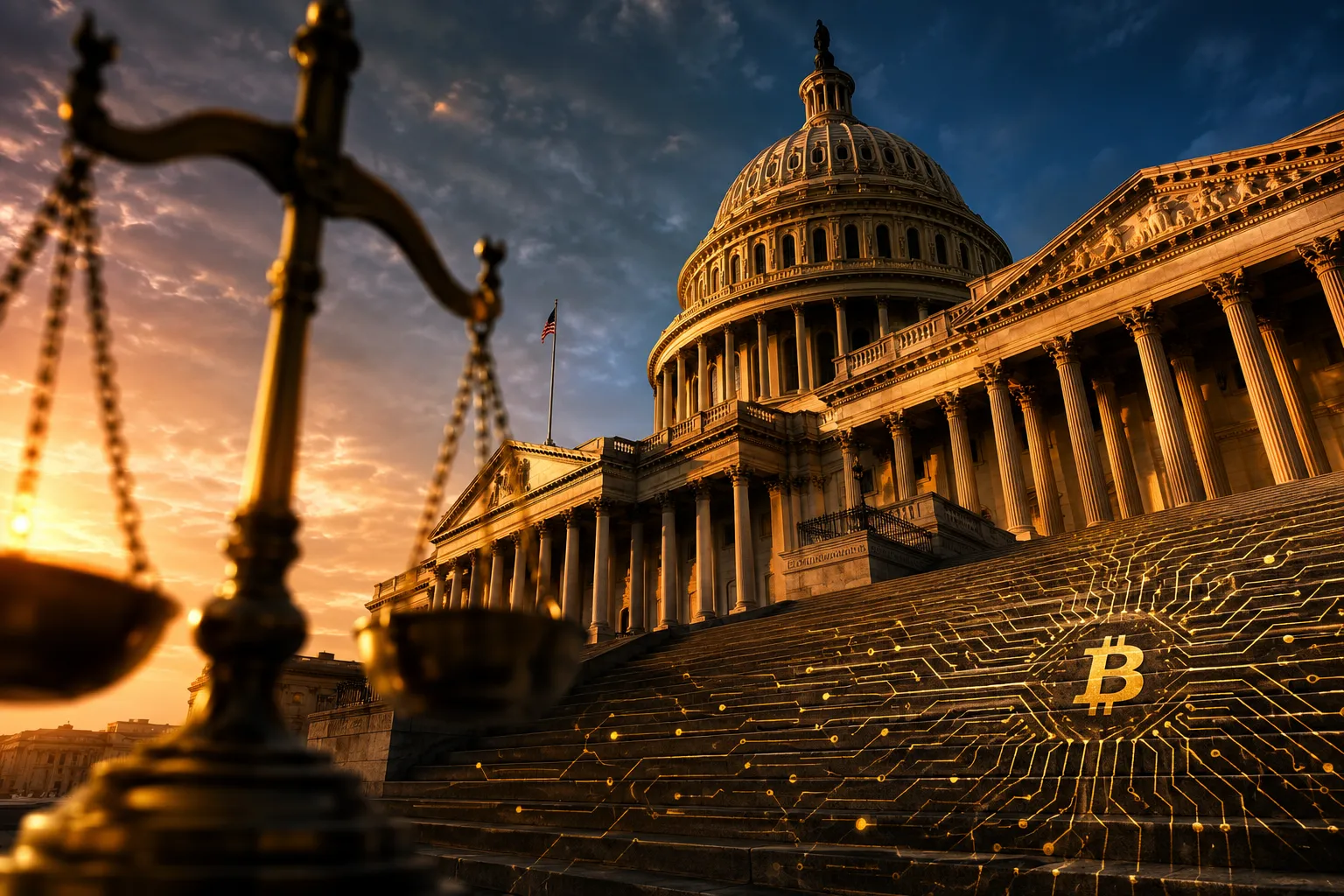
Quick Answer: On August 8, 2026, Minnesota became the first US state to enact a statewide ban on cryptocurrency kiosks, commonly known as Bitcoin ATMs. The legislation targets all such machines operating within state borders, citing widespread consumer fraud and money laundering concerns. This move sets a significant precedent that could reshape how states across the country approach crypto accessibility and regulation.
Key Takeaways
- Minnesota is the first US state to implement a complete statewide ban on cryptocurrency kiosks.
- The ban took effect on August 8, 2026, and covers all crypto kiosk machines regardless of location.
- Lawmakers cited money laundering, elder fraud, and scam-related losses as primary drivers of the legislation.
- Crypto can still be purchased in Minnesota through licensed exchanges and brokerage platforms.
- Operators who continue running kiosks after the ban face significant civil and criminal penalties.
- No other US state has enacted a full ban, though several have introduced transaction limits and licensing requirements.
- The ban is expected to pressure federal regulators to clarify national standards for crypto kiosk oversight.
- Bitcoin ATM operators, including major national networks, have signaled legal challenges to the legislation.
- Consumer advocacy groups largely support the ban, while crypto industry groups argue it restricts financial access.

What Exactly Did Minnesota Ban About Crypto Kiosks
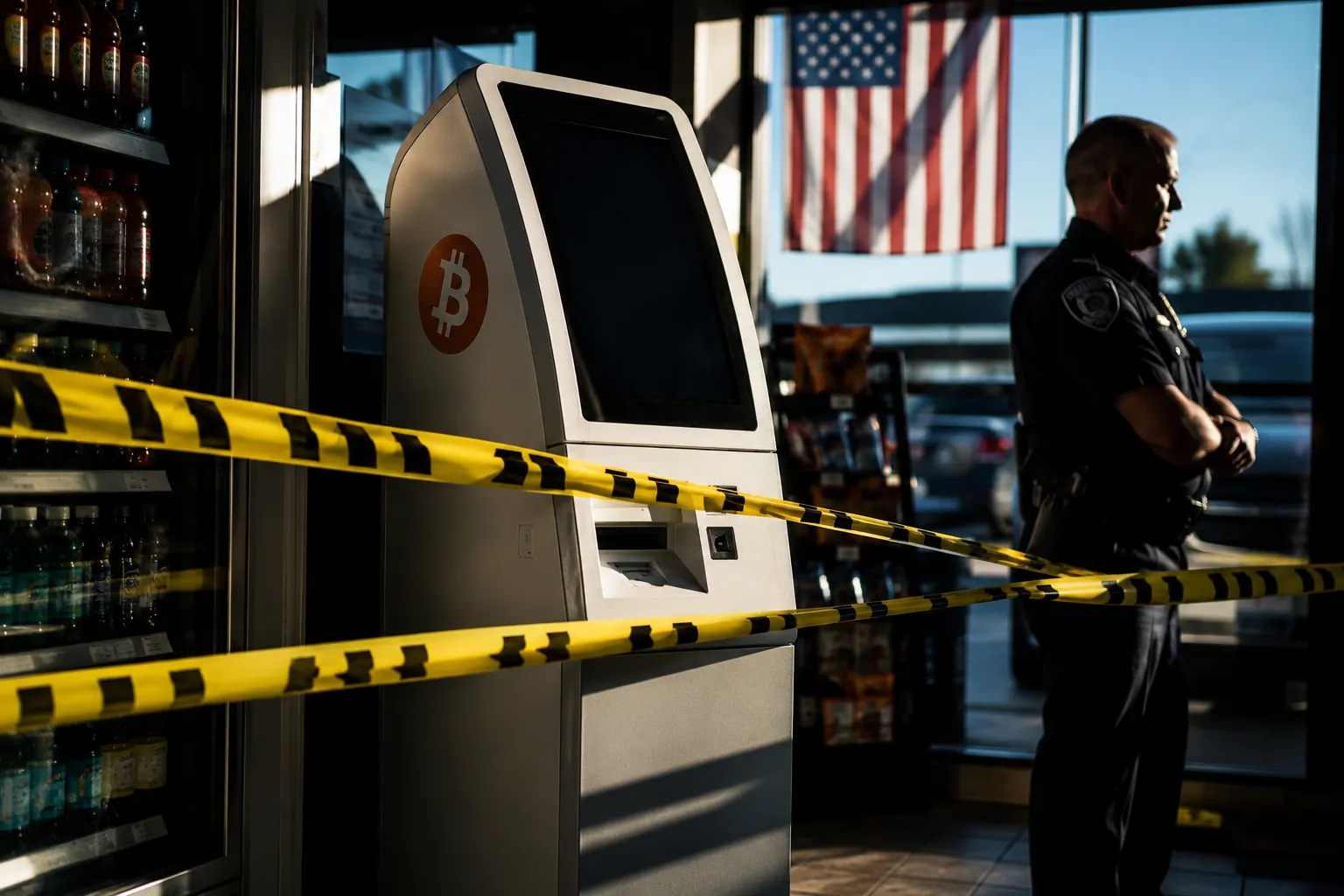
Minnesota’s law prohibits the physical operation of any cryptocurrency kiosk machine within the state. This includes all machines that allow users to exchange cash for digital assets such as Bitcoin, Ethereum, or other cryptocurrencies, regardless of where the machine is located or who owns it.
The ban is notably broad. It does not target specific operators or specific locations such as gas stations or grocery stores. Instead, it applies universally to every crypto kiosk in Minnesota, making it the most sweeping state-level restriction on these machines in US history.
Key elements covered by the ban:
- All cash-to-crypto and crypto-to-cash kiosk transactions
- Machines operated by both national chains and independent operators
- Kiosks in any public-facing commercial location, including convenience stores, malls, and airports
- New installations and existing machines already in operation
Common mistake to avoid: Assuming the ban only targets unlicensed or fraudulent operators. It applies to all kiosks, including those previously operating legally under state financial services rules.
When Did Minnesota’s Crypto Kiosk Ban Go Into Effect
The ban went into effect on August 8, 2026. Operators were given a compliance window following the bill’s passage to remove machines from service, though the exact grace period was short relative to the scale of the removal required.
Minnesota had an estimated several hundred crypto kiosks operating statewide before the ban, concentrated in urban areas like Minneapolis and Saint Paul. All were required to cease operations by the effective date.
Why Did Minnesota Decide to Ban Crypto Kiosks
Minnesota lawmakers passed the ban primarily to address three documented harms: consumer fraud, elder financial exploitation, and money laundering facilitation.
The fraud problem was significant. Crypto kiosks became a preferred tool for scammers running utility payment scams, government impersonation schemes, and romance fraud. Victims, often elderly residents, were directed to deposit cash into kiosks and send the resulting cryptocurrency to fraudsters. Because crypto transactions are largely irreversible, victims rarely recovered their funds.
Money laundering concerns were also central. Regulators noted that crypto kiosks, particularly those with weak or inconsistent Know Your Customer (KYC) verification, provided an accessible channel for converting illicit cash into digital assets with limited traceability.
Specific problems Minnesota cited:
- High transaction fees at kiosks, often 15 to 25 percent above market rate, disproportionately harming low-income users
- Inconsistent identity verification across operators
- A documented pattern of fraud complaints tied specifically to kiosk transactions
- Limited recourse for consumers after funds were sent
How Does Minnesota’s Ban Compare to Other States
Minnesota’s outright ban is more aggressive than anything currently in place elsewhere in the US. Other states have moved toward regulation rather than prohibition.
| State | Approach | Key Restriction |
|---|---|---|
| Minnesota | Full ban | All kiosks prohibited statewide |
| California | Licensing + fee caps | Transaction fees capped at 15% |
| New York | BitLicense framework | Operators require state approval |
| Illinois | Registration required | KYC compliance mandated |
| Texas | Minimal regulation | Money transmitter license only |
Minnesota’s approach is a clear outlier. Most states have chosen to regulate the industry rather than eliminate it, reflecting a belief that kiosks serve a legitimate financial access function for unbanked populations.
Can You Still Buy Crypto in Minnesota After the Ban
Yes. The ban applies only to physical kiosk machines. Minnesotans can still purchase cryptocurrency through:
- Licensed online exchanges such as Coinbase, Kraken, and Gemini
- Brokerage platforms that offer crypto trading
- Peer-to-peer platforms where permitted under federal law
- Traditional financial institutions offering crypto products
The ban does not restrict digital crypto purchases in any way. Its scope is limited to the physical kiosk infrastructure.
What Are the Penalties for Operating a Crypto Kiosk in Minnesota
Operators who continue running kiosks after August 8, 2026 face both civil and criminal liability under the new law. Civil penalties can reach significant per-day fines for each machine in operation. Criminal charges are possible for willful violations, particularly for operators who were formally notified and continued operating.
Additionally, operators may face:
- Asset forfeiture of machines and associated funds
- Revocation of any existing state financial services licenses
- Civil lawsuits from consumers harmed during the post-ban period

How Does This Minnesota Ban Affect Federal Crypto Regulation
Minnesota’s ban directly pressures federal regulators, particularly the Financial Crimes Enforcement Network (FinCEN) and the Consumer Financial Protection Bureau (CFPB), to establish clearer national standards. When states begin enacting outright bans, it signals that existing federal oversight is considered inadequate by at least some state legislatures.
The ban could accelerate federal action in two ways. First, crypto kiosk operators facing a patchwork of state rules have strong incentives to lobby for federal preemption, which would create uniform national standards. Second, federal agencies may use Minnesota’s documented fraud data to justify tighter KYC and anti-money-laundering requirements for all kiosk operators nationally.
“A state-level ban of this scope is effectively a referendum on whether federal crypto oversight has been sufficient. Other states are watching.”
What Do Crypto Companies Think About the Minnesota Ban
Industry reaction has been largely negative. Major Bitcoin ATM operators, including national networks with machines in Minnesota, have signaled intent to challenge the law in court, arguing it constitutes an overreach that harms financial inclusion for unbanked consumers who rely on cash-based crypto access.
Industry groups have raised several objections:
- The ban eliminates a legitimate financial service used by millions of Americans without bank accounts
- Fraud issues could be addressed through stronger regulation rather than prohibition
- The law may conflict with federal money transmission frameworks
Consumer advocacy organizations, by contrast, have largely supported the ban, pointing to documented fraud losses and the disproportionate harm to elderly and low-income users.
Are There Exceptions or Workarounds to Minnesota’s Crypto Kiosk Ban
The legislation as enacted contains no broad exceptions. There are no carve-outs for regulated financial institutions, licensed exchanges operating physical terminals, or low-transaction-volume operators.
Some legal analysts have noted potential gray areas around whether a bank-operated crypto terminal would be classified as a “kiosk” under the law’s definitions, but no formal exceptions exist as written. Operators seeking clarity are advised to consult legal counsel rather than assume any workaround applies.
Could Other States Follow Minnesota’s Lead on Crypto Kiosks
Several states with active crypto fraud complaints are monitoring Minnesota’s implementation closely. States with large elderly populations and documented kiosk-related fraud cases, including Florida and Arizona, have seen legislative proposals that stop short of full bans but include stricter transaction limits and mandatory fraud warnings.
A full ban is unlikely to become the national norm quickly, but Minnesota’s move gives other state legislatures a legal template and political cover to pursue aggressive restrictions. The outcome of any legal challenges to Minnesota’s law will significantly influence how far other states are willing to go.
Conclusion
Minnesota’s statewide ban on cryptocurrency kiosks, effective August 8, 2026, is the most significant state-level crypto restriction in US history and a direct response to documented consumer harm. The ban eliminates physical kiosk access entirely while leaving digital purchasing channels intact.
Actionable next steps depending on your situation:
- If you operated a kiosk in Minnesota: Remove machines immediately and consult legal counsel regarding compliance obligations and any pending transactions.
- If you are a Minnesota consumer: Use licensed online exchanges for crypto purchases. Document any past kiosk-related fraud and report it to the Minnesota Department of Commerce.
- If you are a policymaker in another state: Review Minnesota’s fraud data and legislative record before drafting similar bills. The legal challenges ahead will clarify constitutional boundaries.
- If you are a federal regulator: Minnesota’s ban is a signal that state-level patience with existing federal frameworks is limited. Proactive national standards for kiosk KYC and fee disclosures could reduce the pressure toward outright bans.
The broader question of how Minnesota Bans Crypto Kiosks: What This Means for US Regulation will play out depends heavily on federal response and court outcomes over the next 12 to 18 months. What is clear is that the era of largely unregulated crypto kiosk operations in the US is ending.
FAQ
Q: Is Minnesota the first state to ban crypto kiosks entirely? Yes. As of August 8, 2026, Minnesota is the first US state to implement a complete statewide ban on all cryptocurrency kiosk machines.
Q: Does the ban affect online crypto purchases in Minnesota? No. The ban applies only to physical kiosk machines. Online exchanges and brokerage platforms remain fully accessible to Minnesota residents.
Q: Why were crypto kiosks considered a fraud risk? Scammers frequently directed victims to deposit cash into crypto kiosks and send the resulting digital assets to fraudulent accounts. Transactions are irreversible, making recovery nearly impossible.
Q: Can Bitcoin ATM operators sue to overturn the ban? Yes, and several operators have signaled intent to pursue legal challenges. The outcome will depend on how courts interpret state authority over money transmission and financial services.
Q: What fees were typical at crypto kiosks before the ban? Transaction fees at crypto kiosks commonly ranged from 15 to 25 percent above market rate, significantly higher than online exchange fees, which typically range from under 1 to 3 percent.
Q: Are there any exceptions for banks or licensed financial institutions? The legislation as written contains no broad exceptions. Legal analysts note some definitional ambiguity, but no formal carve-outs exist.
Q: How does this affect unbanked consumers in Minnesota? Unbanked consumers who previously used kiosks for cash-to-crypto transactions must now use online platforms, which require bank accounts or debit cards, potentially reducing access for some users.
Q: What federal agencies oversee crypto kiosks nationally? FinCEN requires crypto kiosk operators to register as money services businesses and comply with anti-money-laundering rules. The CFPB has also examined consumer protection issues related to kiosk fees and fraud.
Q: Will this ban affect crypto prices? Unlikely at a meaningful scale. Minnesota’s kiosk market represents a small fraction of total US crypto transaction volume. Price impact would be negligible.
Q: How quickly did operators have to remove machines after the ban passed? Operators were required to cease operations by the effective date of August 8, 2026. The specific grace period following bill passage was limited.